
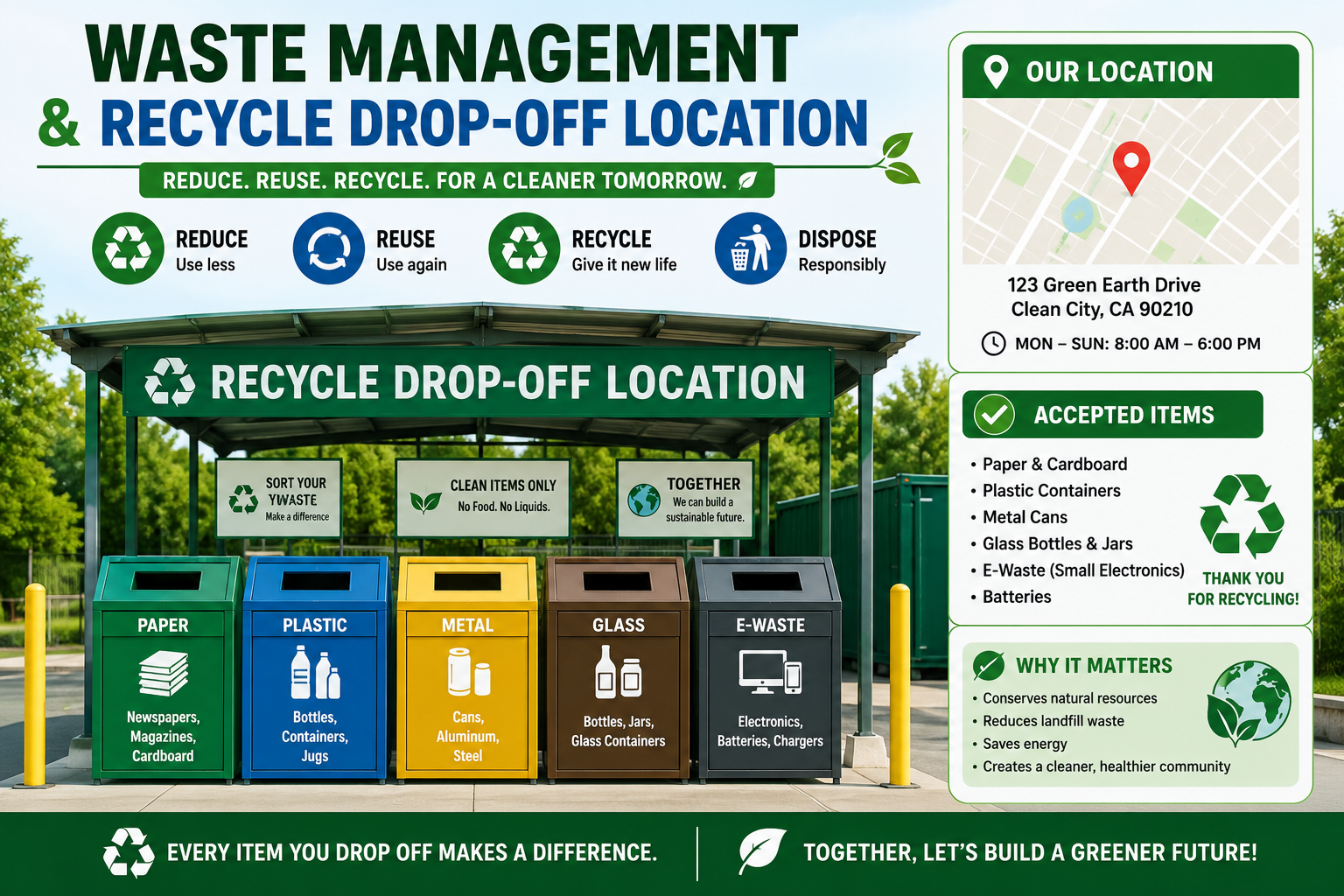
Recycling sounds simple: separate useful materials from garbage and send them somewhere they can be processed. In practice, however, people often face questions about what belongs in recycling, how materials should be prepared, and where different items should go. These questions become even more important during renovations, household cleanouts, moves, and construction projects.
Learning how to recycle effectively starts with one basic principle: not all unwanted materials are garbage. By identifying materials, sorting them properly, preventing contamination, and choosing an appropriate destination, households and project teams can make recycling a natural part of waste management.
Many people begin recycling by looking for a container and deciding what to put inside it. A better approach is to start by identifying the material itself.
Look at what your cleanup or project is generating. You might have cardboard, wood, metal, drywall, concrete, packaging, household items, or general waste.
Once materials are identified, they can be separated according to appropriate recycling and disposal options.
You do not need a complicated system. For many cleanups, a few categories can make a significant difference.
Keep recyclable materials separate from general garbage. If you are handling several recyclable material types, divide them further when appropriate.
This prevents a clean, recoverable material from becoming buried in mixed waste.
Knowing how to recycle also means understanding that recycling requirements are not necessarily identical everywhere.
A material accepted through one recycling stream may require different handling somewhere else. Construction and renovation materials can be particularly important to verify because they differ from everyday household recyclables.
Before transporting unfamiliar items, check the acceptance requirements of your intended destination.
People organizing a larger cleanup can also review a local recycling and material drop-off location when planning where suitable materials may be taken.
Contamination is one of the most avoidable recycling problems.
Imagine clean cardboard sitting beside a bag containing wet garbage. If the bag leaks, material that was easy to separate may suddenly become much more difficult to manage.
The same principle applies to construction debris. Mixing recyclable materials with unrelated waste can reduce sorting efficiency.
Do not wait until the end of a project to organize everything.
Place separate containers or create designated collection areas from the beginning. Workers, family members, or anyone helping with the cleanup can then sort materials immediately.
Clear sorting areas reduce confusion and make good recycling habits easier to maintain.
Household cleanouts are a good opportunity to rethink what actually belongs in the garbage.
Start with three broad decisions: can the item still be reused, can its material be recycled, or does it require disposal?
Usable belongings should not automatically become waste simply because you no longer need them. Likewise, materials that cannot be reused may still have recycling potential.
Trying to sort an entire home at once can become overwhelming.
Instead, begin with one room, garage section, basement corner, or storage area. Create your categories and finish that section before moving to another.
This approach keeps the process manageable while preventing mixed piles from taking over the property.
Construction projects can generate large volumes of material in a short period. Without planning, recyclable debris can quickly become mixed with general waste.
Before work starts, consider which materials are likely to be produced.
Demolition might generate wood, metal, drywall, concrete, and other building materials. New installations can add cardboard and packaging to the waste stream.
Designating material areas before work begins is much easier than sorting a mixed debris pile afterward.
Place different materials in separate locations where practical. Make sure everyone working on the project understands the system.
As collection areas fill, arrange removal rather than allowing debris to spread across the job site.
Learning how to recycle includes knowing how to transport materials responsibly.
Organize the vehicle according to material categories. Keep similar items together and make sure separate loads remain accessible during unloading.
Avoid overloading the vehicle simply to reduce the number of trips.
Cardboard, plastic, lightweight wood, and other loose materials can move or blow from a vehicle.
Use appropriate coverings or restraints before travelling. Larger materials should also be positioned so they cannot shift unexpectedly during turns or braking.
Safe transportation is part of responsible waste handling.
One common mistake is assuming that an item must be recyclable because it appears to be made from a familiar material. Material composition, contamination, and local acceptance requirements can affect whether an item belongs in a particular stream.
Another mistake is wishful recycling—placing questionable materials into recycling and hoping they will be accepted.
When uncertain, verify first.
Mixing garbage into recyclable materials, failing to separate different debris categories, and ignoring preparation requirements can also make recycling less effective.
The best way to understand how to recycle is to make sorting an everyday habit rather than something reserved for occasional cleanups.
Keep convenient collection areas for commonly generated recyclables. During projects, decide how waste will be sorted before work starts.
When everyone involved understands where materials belong, recycling requires less effort.
Small habits can also scale. The same basic sorting principles used during a garage cleanup can be applied to larger renovation or construction projects.
Recycling is ultimately about resource management.
When recoverable materials are separated from general waste, they have a better opportunity to enter appropriate recycling streams. This can support landfill diversion and reduce the amount of useful material treated solely as garbage.
Not every unwanted item can be recycled, and responsible recycling does not mean forcing every material into a recycling stream. It means identifying realistic opportunities and handling materials appropriately.
Understanding how to recycle effectively begins long before materials reach their final destination. Identify what you have, separate materials at the source, prevent contamination, verify local acceptance requirements, and transport everything safely.
Whether you are clearing a basement, renovating a room, moving, or managing construction debris, the same principles apply. Consider reuse first where appropriate, recycling next when suitable, and responsible disposal for the remaining material.
With consistent sorting and thoughtful planning, recycling becomes less confusing and more practical. More importantly, it gives recoverable materials a better opportunity to remain useful instead of automatically becoming part of the general waste stream.