
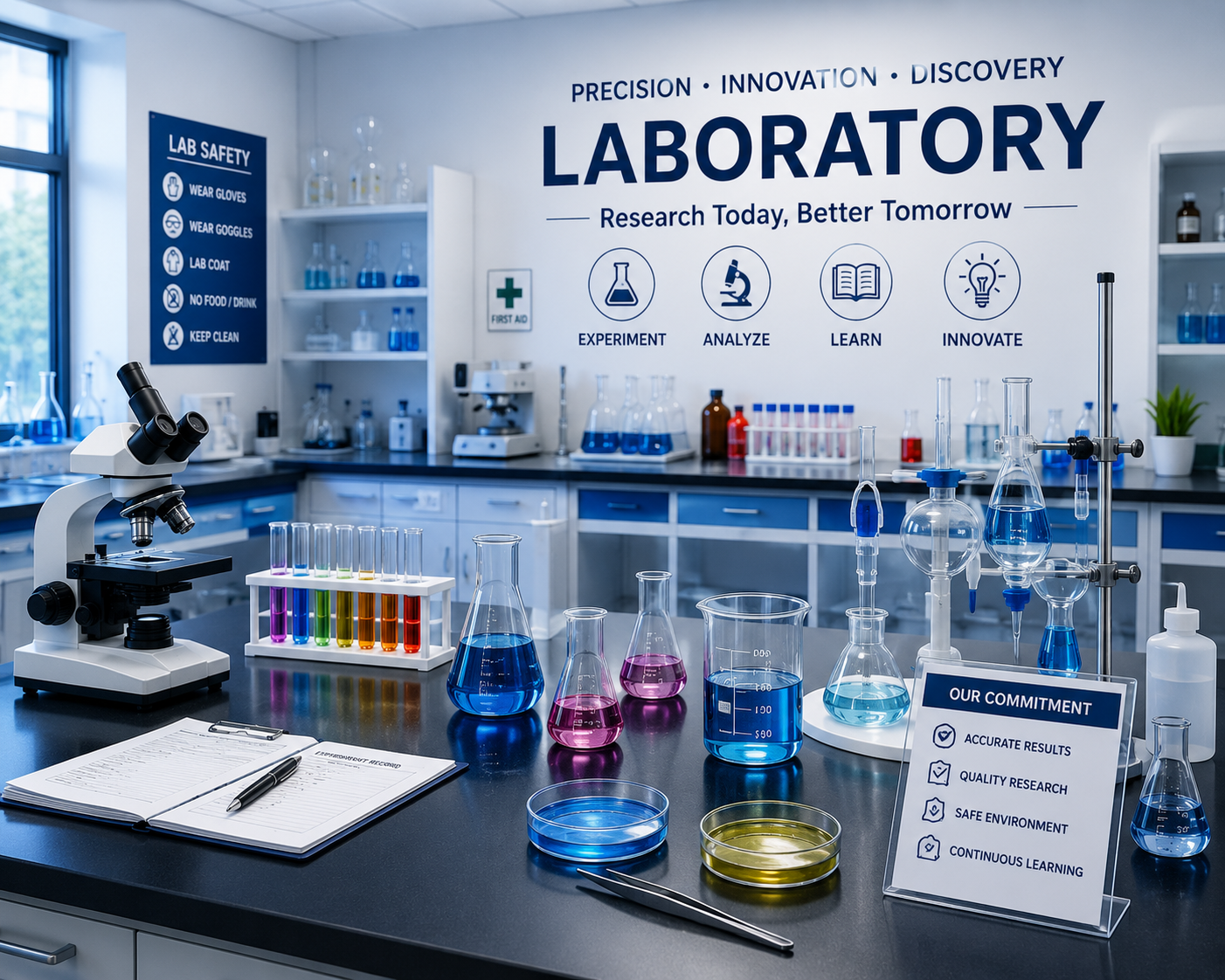
Oil condition can reveal valuable information about machinery performance, lubricant quality, contamination, and potential wear. For laboratories responsible for testing lubricants, petroleum fluids, hydraulic oils, or industrial samples, accurate analysis helps transform a routine fluid sample into useful data for quality and maintenance decisions.
Choosing suitable oil analysis equipment allows laboratories to examine important physical and chemical characteristics under controlled conditions. However, effective oil analysis is not based on a single measurement. Laboratories often combine several testing techniques to develop a more complete understanding of a sample’s condition.
Oil analysis involves evaluating lubricant or fluid samples to determine their properties, condition, and possible changes during use or storage. Depending on the application, technicians may investigate viscosity, contamination, water content, acidity, oxidation, flash point, wear-related characteristics, or other parameters.
The specific tests required depend on the type of oil and the purpose of the analysis. New-oil quality verification, for example, may have different objectives from testing lubricant removed from operating machinery.
Lubricants perform several important functions. They reduce friction, control wear, transfer heat, protect surfaces, and help equipment operate smoothly.
As oil remains in service, its characteristics may change. Heat, moisture, particles, oxidation, chemical contamination, and mechanical stress can gradually affect its condition.
Oil analysis equipment gives laboratory personnel measurable information that can help identify these changes instead of relying only on visual inspection.
Different instruments examine different characteristics, which is why laboratories often use multiple testing methods. Selecting the appropriate combination depends on sample type, required data, workload, and applicable laboratory procedures.
Viscosity describes a fluid’s resistance to flow and is one of the most important properties evaluated in many lubricant-testing programs.
Unexpected changes may indicate degradation, contamination, mixing with another fluid, or changes caused by operating conditions. Consistent temperature control is particularly important because viscosity is strongly influenced by temperature.
Water can enter oil through condensation, leaks, improper storage, processing conditions, or environmental exposure. Excessive moisture may interfere with lubrication and contribute to unwanted changes within machinery.
Appropriate oil analysis equipment can help laboratories detect and quantify water so results can be compared with established limits or historical data.
Oil can carry particles generated by machinery wear as well as contaminants introduced from the surrounding environment. Examining these materials may provide useful information about equipment condition.
Rather than viewing a single result in isolation, analysts often compare findings with previous samples. A developing trend may provide more meaningful information than one unusual measurement.
Flash point analysis evaluates the temperature at which vapors from a sample can ignite under specified test conditions.
Changes in flash point may provide useful information about the oil or the presence of volatile contaminants. The testing configuration and procedure must remain consistent because different methods can produce different results.
New lubricant testing establishes information about a fluid before it enters service. Laboratories may verify whether a received material meets expected specifications or establish baseline values for future comparisons.
Used oil analysis has a different focus. Technicians may examine how the lubricant has changed during operation and whether contamination, degradation, or wear indicators are developing.
Oil analysis equipment can support both approaches, although the tests and interpretation criteria may differ significantly.
Reliable analysis begins with representative sampling. Even advanced laboratory instruments cannot provide meaningful results when the sample does not accurately represent the oil being evaluated.
Sampling locations, containers, timing, labeling, and handling practices should therefore be standardized whenever possible.
Every sample should be clearly associated with its source. In maintenance-related testing, useful records may include equipment identification, lubricant type, operating period, sampling date, and relevant maintenance information.
Accurate records allow laboratory teams to compare results over time and recognize meaningful trends.
Before investing in oil analysis equipment, laboratories should identify the measurements they perform most frequently. Purchasing instruments without first defining analytical requirements can result in unnecessary capabilities or gaps in the testing workflow.
Important considerations include expected sample volume, measurement range, laboratory space, operator experience, required precision, maintenance needs, and compatibility with established testing procedures.
A laboratory processing a small number of samples may prioritize flexibility and straightforward operation. High-volume facilities may place greater emphasis on testing speed, repeatability, automation, and efficient sample handling.
The ideal setup should support the laboratory’s real workload rather than simply provide the largest possible range of functions.
Laboratory instruments require regular attention to maintain dependable performance. Cleaning, inspection, verification, and calibration should be incorporated into routine operating procedures.
Technicians should also document maintenance activities and investigate unexpected changes in instrument performance. These practices help reduce avoidable measurement errors and improve confidence in reported results.
Oil analysis provides much more than a basic description of lubricant condition. When properly planned, it can help laboratories evaluate quality, identify contamination, monitor fluid changes, and support informed maintenance or research decisions.
Selecting appropriate oil analysis equipment starts with understanding the samples, measurements, testing frequency, and analytical objectives of the laboratory. Combined with representative sampling, consistent procedures, trained personnel, and proper instrument maintenance, the right testing setup can provide reliable information that supports better long-term decisions.